
Mechanical engineering for things worth building.
Independent mechanical engineering and product-development support, from concept through prototype and testing. I work directly with founders and small technical teams building physical hardware.
Who you'll be working with.

I'm James Bush, the mechanical engineer behind Neutral Axis. I thrive when I'm close to the action: close to the hardware, the decisions and the problems that need solving.
My experience spans small startups and large, highly regulated aerospace and defence environments. Working at both ends has taught me to value the rigour and engineering discipline of complex systems, while knowing that I do my best work when I'm closer to the product and the people building it.
When you bring Neutral Axis in, you're working directly with me. There's no handoff to someone more junior: the person scoping the problem is the person solving it.
More about my background →From concept to hardware.
I provide practical mechanical engineering support throughout product development, for teams that need an engineer to take ownership of a problem, not just supply CAD files.
Mechanical Design
CAD, mechanisms, assemblies and detailed mechanical design, built around how the part actually gets made.
Product Development
Concept development and engineering problem-solving, taking a rough idea to a defined, workable solution.
Prototyping
Turning designs into physical hardware, then refining them against how they actually perform.
Design for Manufacture
Components and assemblies designed around a real manufacturing process, taking cost and finish into account.
Testing & Validation
Building test rigs and profiles, running trials and validating designs against real-world requirements.
Engineering Support
Extra mechanical capacity for a small technical team, whether on a defined project or an ongoing basis.
Who this is for.
Startups
Additional engineering capability without hiring a full-time mechanical engineer.
Hardware companies
Mechanical design, product development and prototype support.
Small engineering teams
Extra experienced capacity when internal resources are stretched.
Product developers
Support moving a concept toward a working prototype.
Technical founders
Someone who can own the mechanical side and work directly with you.
Selected engineering work.
A small selection of the physical engineering problems worked through end to end, from early concept to physical hardware.
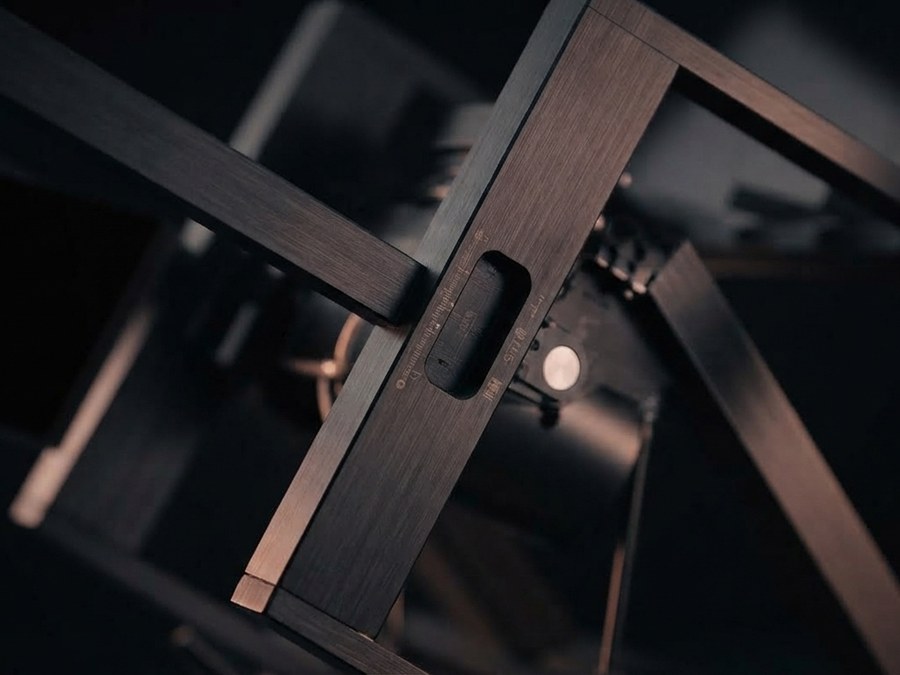
Solar Thermal Hardware
Mechanical development of a concentrated solar thermal collector (1200°C): control architecture, mechanisms and structural design, successfully melting an aluminium billet using concentrated sunlight at a solar hardware startup.
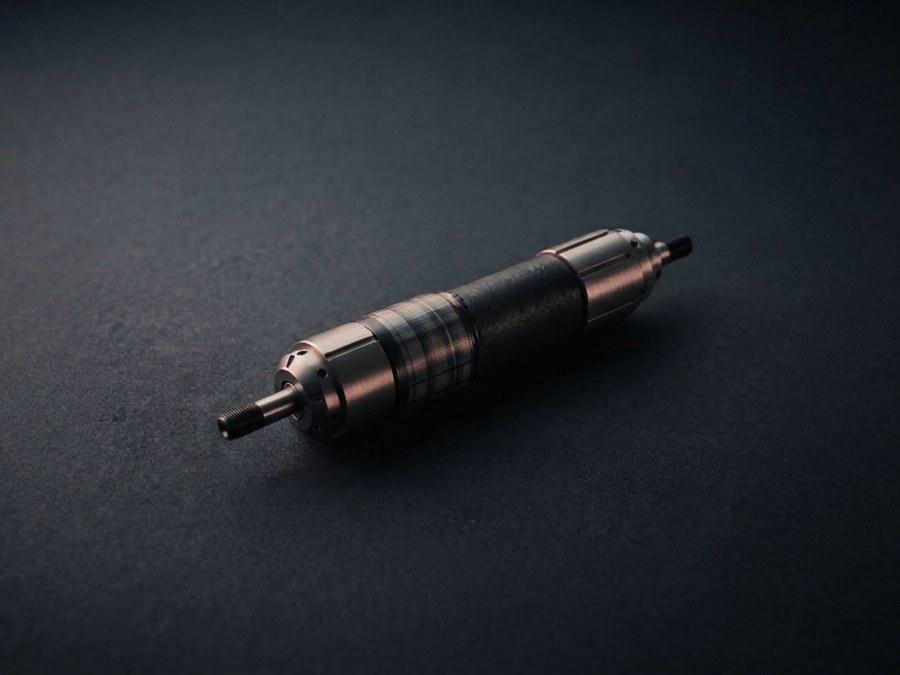
High-Speed Electric Motors
Mechanical design and development of high-performance electric motor systems operating beyond 170,000 rpm encompassing novel stator architectures, 3D-printed copper windings and carbon-fibre rotor containment.
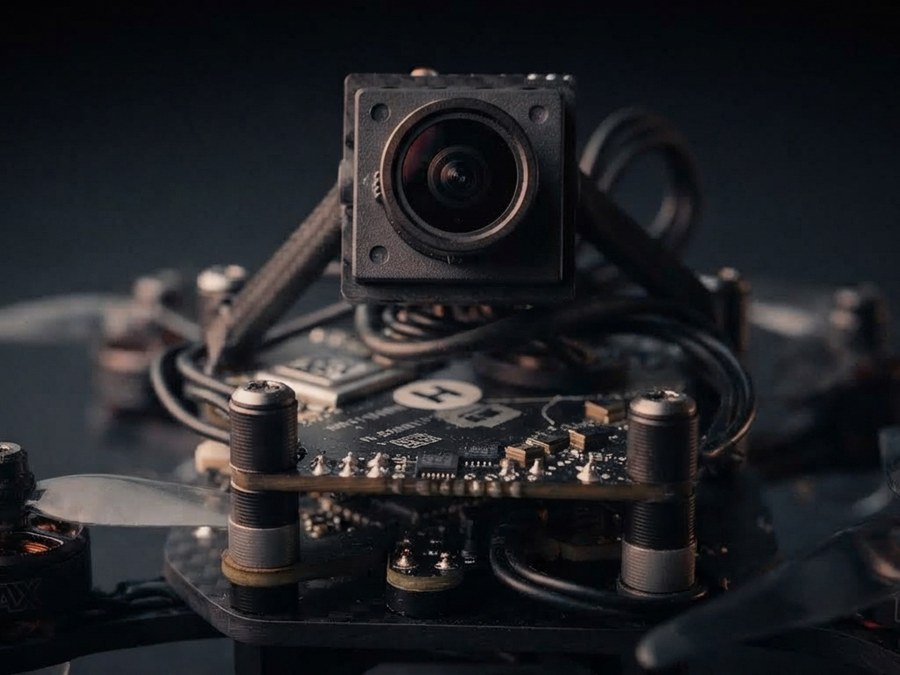
Micro FPV Drone
Compact FPV drone airframe designed around an ultra-minimal structural footprint, integrating the camera, VTX, flight controller, ESC and motors while maintaining structural rigidity and propeller clearance. Complete CAD development with components sourced for design validation.
Engineering that moves beyond the CAD screen.
The goal isn't just a set of drawings. It's a working solution, and every project I take on moves through the same five stages.
Understand
The product, the constraints, and the outcome that actually matters.
Design
Practical mechanical solutions, built around how they'll be made.
Build
Prototype and integrate the physical hardware.
Test
Validate the design against real-world requirements.
Iterate
Use test results and engineering judgement to improve it.
Have a mechanical problem to solve?
Let's talk.
Whether it's a defined project, flexible hourly support, or ongoing engineering capacity: tell me what you're building.